
It’s frustrating and heartbreaking to see your dog won’t stop scratching, licking or chewing at their skin. As pet owners, we want to relieve their discomfort as quickly as possible. But what happens when the itch doesn’t go away, even after using what seems like the right medication?
Frequent itching ranks among the most common issues prompting dog owners to take their pets to the vet. While there are many treatment options available, not every medication for itching dogs works the same way. Understanding why treatments sometimes fail is the first step to helping your dog finally find relief.
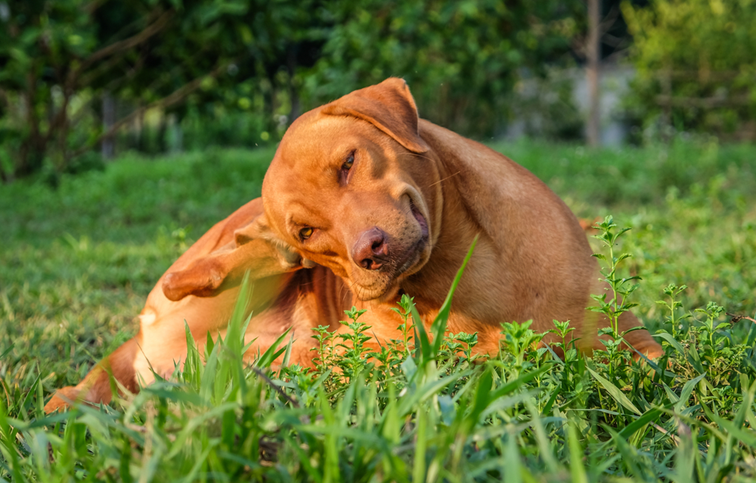
The Root of the Problem: Why Dogs Itch
Itchy skin in dogs can be caused by a wide range of issues. Common causes include:
Environmental allergies – to pollen, dust, grass, or mold
Food allergies or sensitivities – often linked to proteins or grains
Parasites – such as fleas, mites, or mange
Fungal or bacterial infections – like ringworm or staph
Dry or damaged skin – especially in harsh climates or after over-bathing
These conditions can look alike—itchiness, redness, hot spots—but each requires a different kind of medication for itching dogs. That’s why it’s so important to get a proper diagnosis before starting or continuing treatment.
Why Your Current Medication Might Not Be Working
If your dog is still scratching after days or even weeks of treatment, here are some reasons medications may not be doing the job:
1. Incorrect Diagnosis
Many pet owners assume it’s just allergies or dry skin, when it could be a deeper issue like mange or a fungal infection. Treating symptoms without knowing the cause can delay real healing.
2. Single-Method Treatment
It’s common to rely on just one solution—like an oral antihistamine—when the skin needs more comprehensive care. For example, itching from a yeast infection won’t resolve with anti-allergy pills alone.
3. Tolerance or Resistance
Some medications lose their effectiveness over time, or the dog’s body may not respond well to a particular drug. This is especially true for long-term use of steroids or immune-modulating drugs.
4. Incomplete Course of Treatment
Stopping treatment early—just because symptoms improve—can allow the condition to return stronger. Skin healing takes time, and consistency matters.
Are You Missing the Topical Piece?
Most dogs with itchy skin benefit from both internal and external treatments. That means pairing oral medications with topical solutions that provide direct relief at the skin level. While pills work from the inside out, topical sprays and ointments go straight to the irritated areas.
A common reason for stubborn itching is that pet owners overlook topical care—or use harsh products that cause further irritation. For dogs dealing with hot spots, scabs, mange, or even open sores, the skin needs gentle, healing support, not just symptom suppression.
How Puainta Supports Itchy Skin Relief
Puainta® Quantum Silver Anti-itch Skin Spray for Dogs and Cats, also known as the upgraded Pipot Mange Relief formula, is a topical treatment designed to soothe, disinfect, and support healing. What makes it stand out?
It contains quantum silver particles, which penetrate deeply to fight over 650 types of bacteria and fungi.
It’s suitable for conditions like hot spots, mange, ringworm, wounds, and allergic skin reactions.
Unlike harsher chemical sprays, Puainta offers a science-backed but gentle solution that complements oral meds and medicated shampoos. It’s not an all-in-one fix—but it may be the missing piece in your dog’s recovery.
What Does a Full Treatment Plan Include?
If your current medication plan isn’t working, consider a layered approach. Many veterinarians recommend combining several elements:
Oral medications – such as antihistamines, immune modulators, or antibiotics depending on the cause.
Topical care – sprays or ointments like Puainta that soothe and disinfect.
Medicated shampoos – to control yeast, bacteria, or allergens on the skin.
Environmental adjustments – such as allergen-free bedding, flea control, and dietary changes.
Ongoing monitoring – to evaluate what’s working and adjust treatment accordingly.
When used consistently, this well-rounded approach can produce results where a single medication failed.
When to Go Back to the Vet
If your dog shows any of the following, it’s time to follow up with your veterinarian:
- No improvement after 10–14 days of treatment
- Visible open sores or bleeding
- Odor, crusting, or excessive discharge
- Behavior changes due to discomfort
These signs could mean an underlying infection, an ineffective medication, or even an allergic reaction. Don’t wait it out—dogs often suffer in silence until symptoms become severe.
Final Thoughts: Rethinking the Itch
Chronic itching can be exhausting—for your dog and for you. But that doesn’t mean you’re out of options. If your current medication for itching dogs isn’t working, it may not be the wrong medication—but rather an incomplete strategy.
Start by reassessing the root cause with your vet. Then explore complementary solutions like Puainta, which support healing on the surface while internal medications do their work. Relief is possible—it just takes the right combination of care, consistency, and patience.